
Why Introverts Are Actually Better Leaders — And How to Own It
For decades, the archetype of the successful corporate leader was the extrovert. The loudest voice in the room. The charismatic speaker who commanded attention, dominated meetings, and thrived on constant social stimulation. Because of this stereotype, highly capable introverts often self-select out of leadership tracks, assuming they don’t have the “right personality” for management. But […]
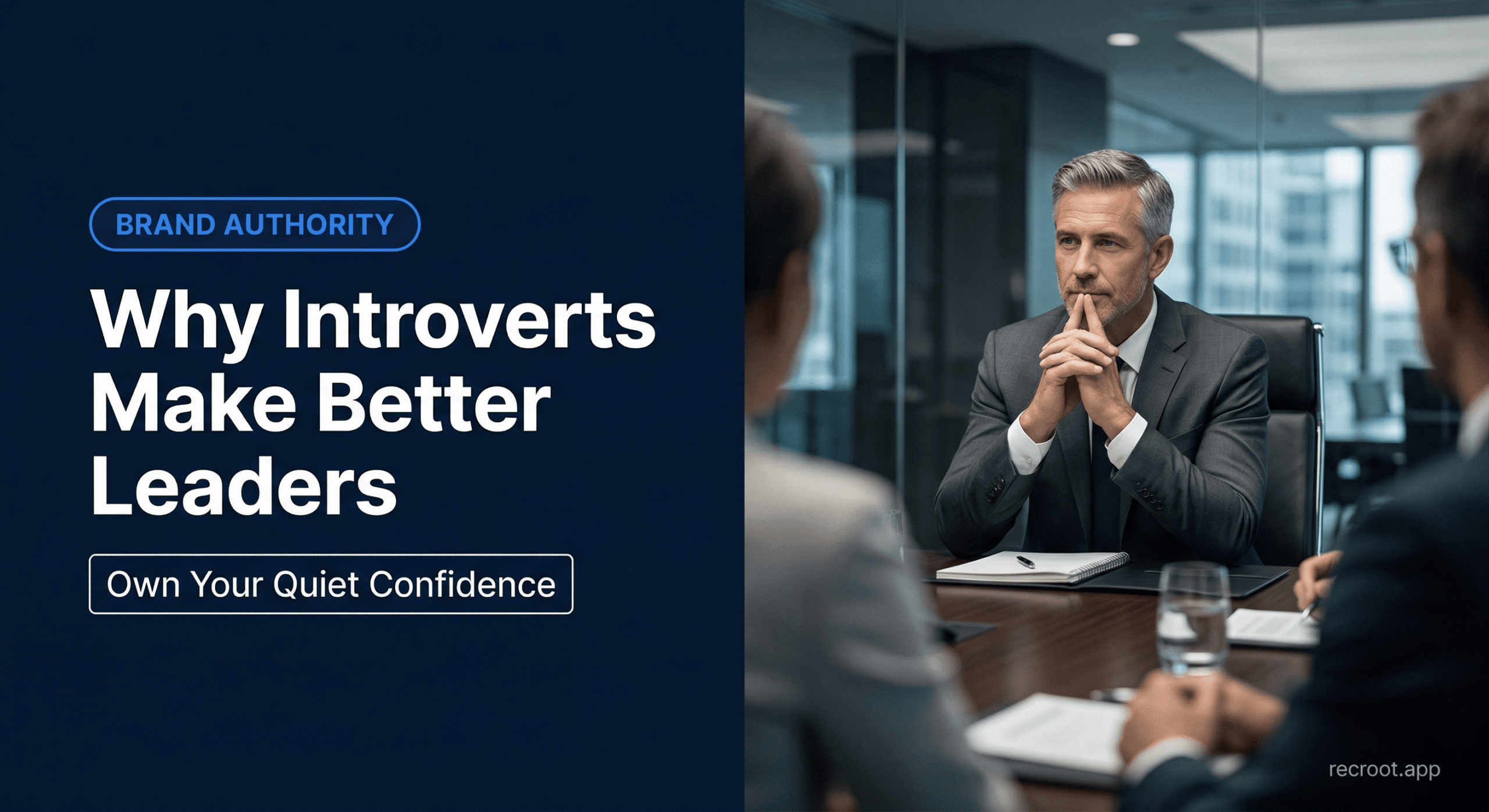
For decades, the archetype of the successful corporate leader was the extrovert. The loudest voice in the room. The charismatic speaker who commanded attention, dominated meetings, and thrived on constant social stimulation.
Because of this stereotype, highly capable introverts often self-select out of leadership tracks, assuming they don’t have the “right personality” for management.
But the modern workplace has changed. In highly complex, deep-work environments like tech, engineering, and product development, the loud, top-down leadership style is actually a liability.
Recent data and organizational psychology studies reveal a surprising truth: introverts often make vastly superior leaders. It is time to stop apologizing for your quiet nature and start leveraging it as your ultimate management superpower.
Why Quiet Leadership Wins
Extroverted leaders are great at rallying troops, but they often suffer from a major blind spot: they love their own ideas. They tend to dominate conversations, which accidentally stifles innovation from the rest of the team.
Introverted leaders operate differently.
- They are Master Listeners
An introverted leader does not feel the need to speak first. They absorb data, listen to the experts on their team, and synthesize complex information before making a decision.
- They Empower Proactive Teams
Research shows that introverted leaders deliver better outcomes when managing proactive employees. Because introverts don’t feel threatened by others taking the spotlight, they give their high-performers the autonomy to run with their ideas.
- They Think Before They React
Introverts process internally. During a crisis, an introverted leader won’t panic out loud. They will sit in silence, analyze the variables, and provide a calm, structured response, which acts as an anchor for the rest of the panicked team.
How to Own Your Leadership Style
You do not need to fake extroversion to be promoted. You just need to systematize your communication.
Embrace asynchronous communication. You don’t need to hold a meeting for everything. Drive a culture of detailed written documentation and Slack updates, which plays to your strength of thoughtful, written analysis.
Use the “Pre-Meeting” strategy. If you hate fighting for airtime in large strategy meetings, send your thoughts in an agenda document 24 hours before the meeting. You frame the conversation before anyone even sits down.
Key Takeaways
- The modern tech workplace rewards deep analysis and empathy over loud charisma.
- Introverted leaders excel because they listen deeply and synthesize data before acting.
- Introverts create better environments for high-performing employees by allowing others to take the spotlight.
- You do not need to change your personality to lead; you just need to implement communication systems that protect your energy.
- Quiet, calm leadership is a massive asset during times of corporate crisis.
Frequently Asked Questions
It can be, if you don’t communicate your process. Simply tell your team, “I like to take a few hours to process new information before making a final call.” Naming your style removes any negative assumptions.
Stop trying to work the whole room. Set a goal to have three deep, meaningful 15-minute conversations at an event, and then give yourself permission to leave. Depth always beats breadth in professional networking.
Yes, by becoming the “calm in the storm.” Extroverted cultures often suffer from burnout. If you become the leader who brings structure, calm execution, and clear thinking, you will be highly valued as the necessary counterbalance.
Stop trying to fit the outdated extrovert mold. Highlight your strategic thinking, deep analysis, and verified leadership capabilities on your Recroot.app profile today.